
-
·
ArcelorMittal Dunkerque: the announcement that closes one chapter and opens another
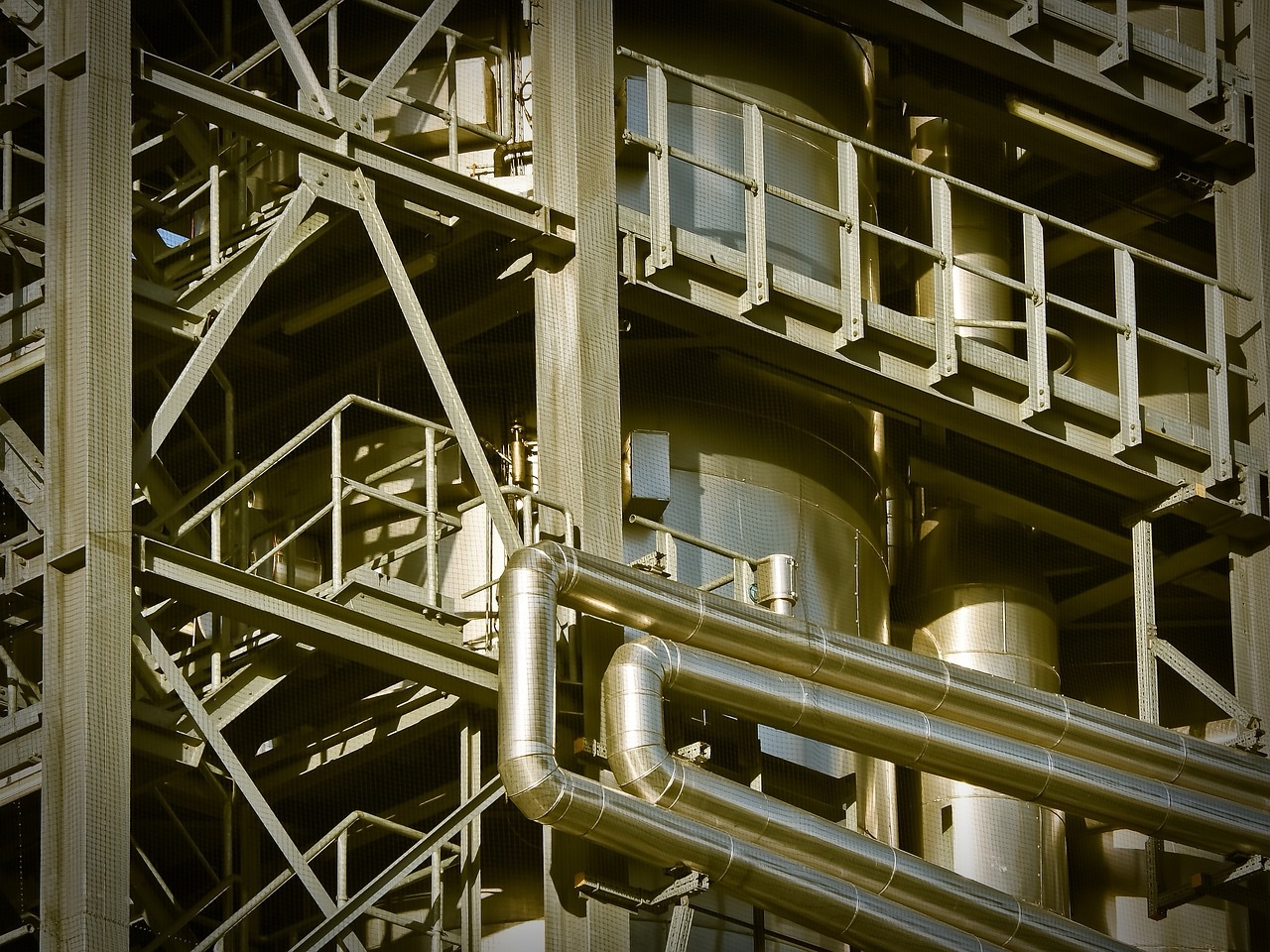
On February 10, 2026, ArcelorMittal confirmed a €1.3 billion investment for an electric furnace at Dunkerque. The announcement validates real decarbonization, but opens an execution phase under constraint: electricity prices, access to low-carbon DRI, grid infrastructure. Dunkerque will be decarbonized in 2029. Will it be competitive in 2035? That depends on what happens now between…
-

·
AI Doesn’t Free Up Time, It Redistributes Pressure
February 2026: a field study from Harvard Business Review demolishes the central illusion around AI in business. Over eight months of observation, Berkeley researchers show that AI has not reduced workload. It has intensified it. Productivity gains do not free up time: they create new expectations, expand responsibility perimeters, and increase cognitive load. A structural…
-
·
What batteries reveal about Europe’s energy system that no one really says out loud
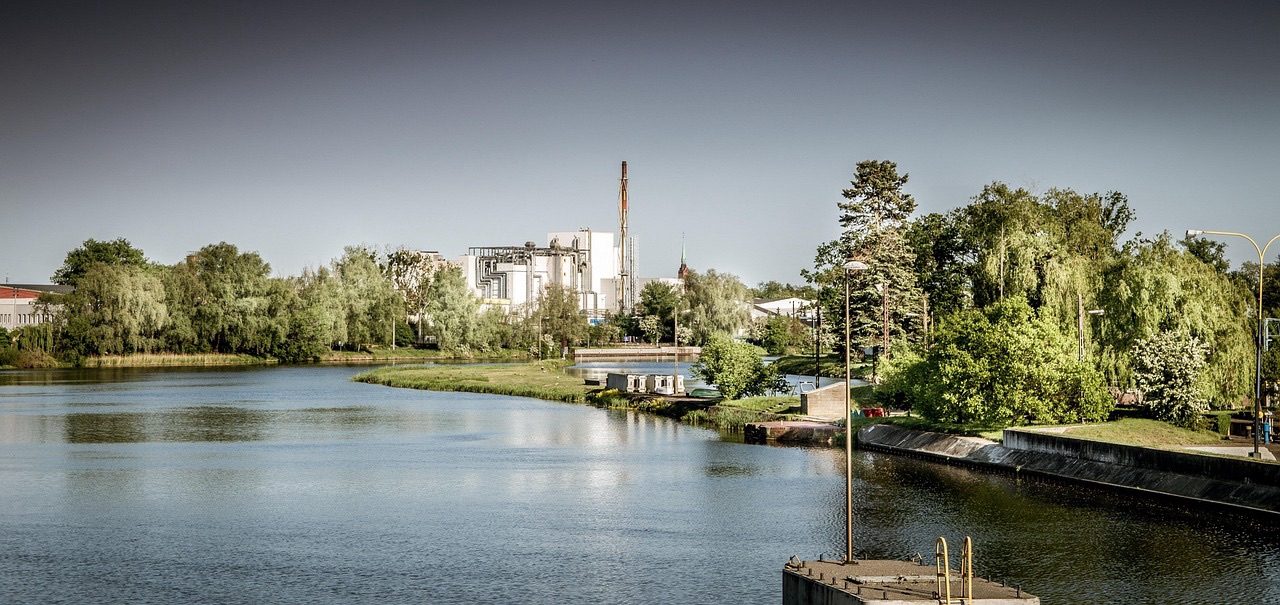
Across Europe, battery energy storage projects are multiplying. Behind these announcements lies less a technological breakthrough than a revealing symptom of Europe’s energy system. BESS are not emerging because energy is scarce, but because it is increasingly desynchronised. Understanding their rise means understanding the structural tensions shaping the next phase of the European energy transition.
-
·
French Industry in 2025: The Year We Stopped Deciding
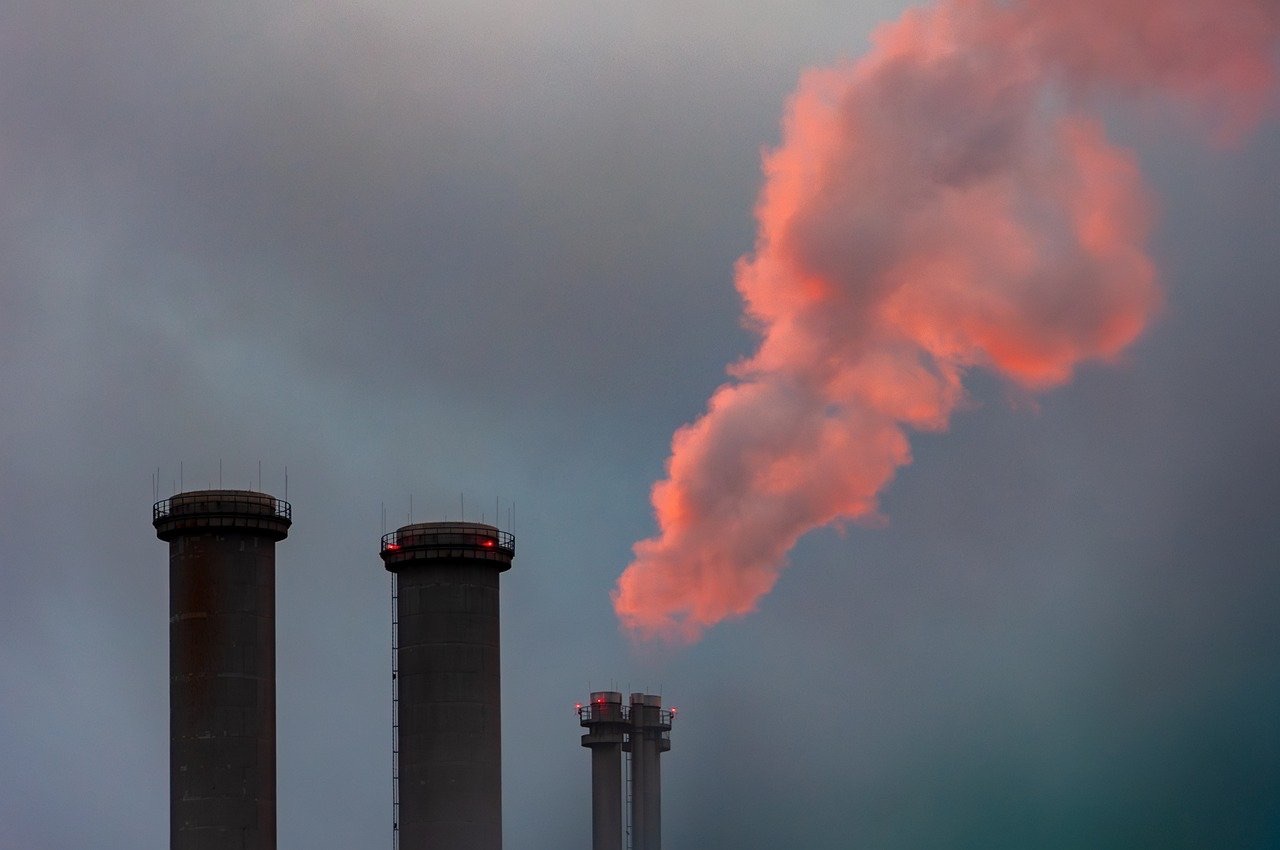
In 2025, French industry did not collapse. It stalled. Factories kept operating, employment eroded slowly, but the most critical signal came from elsewhere: long-term industrial investment stopped being decided. This article offers a fact-based analysis of France’s industrial situation in 2025, explores the logic of “deindustrialisation by non-decision”, and explains why 2026 will be a…
-

·
When Technology Outruns the Market: Lessons from the Ÿnsect Failure
Ÿnsect’s collapse shows what happens when technological ambition grows faster than market, economic, and physical constraints. A lesson for tech and industry leaders.
-
·
The Flexible Factory: Understanding the New Industrial Fault Line in Europe
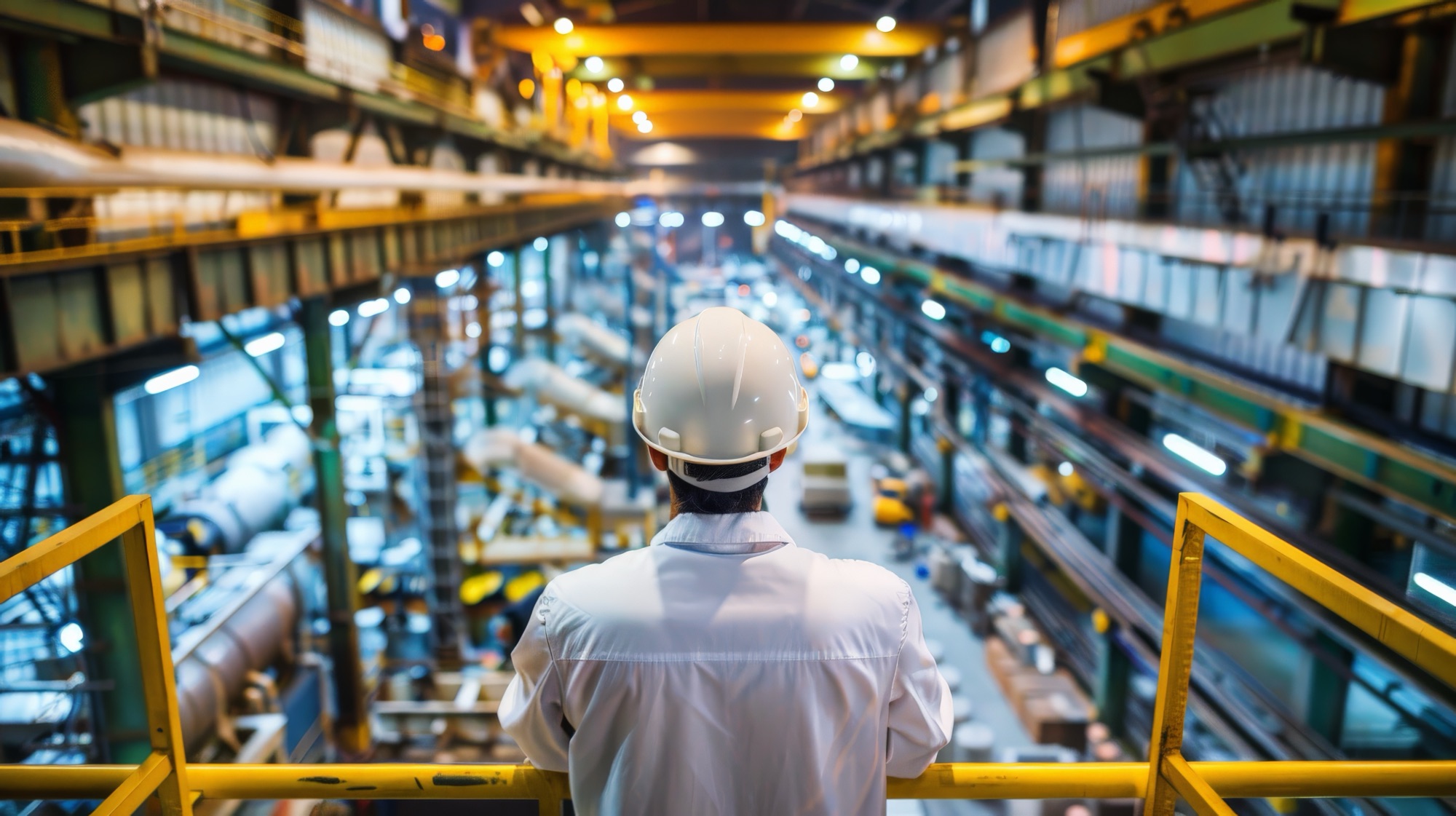
Europe’s industrial landscape is splitting along a new fault line: the ability of factories to survive in a power system that has become structurally volatile. Flexibility is no longer an energy optimisation but a strategic asset — the dividing line between resilient producers and those priced out by instability. In a world where electrification exposes…
-
·
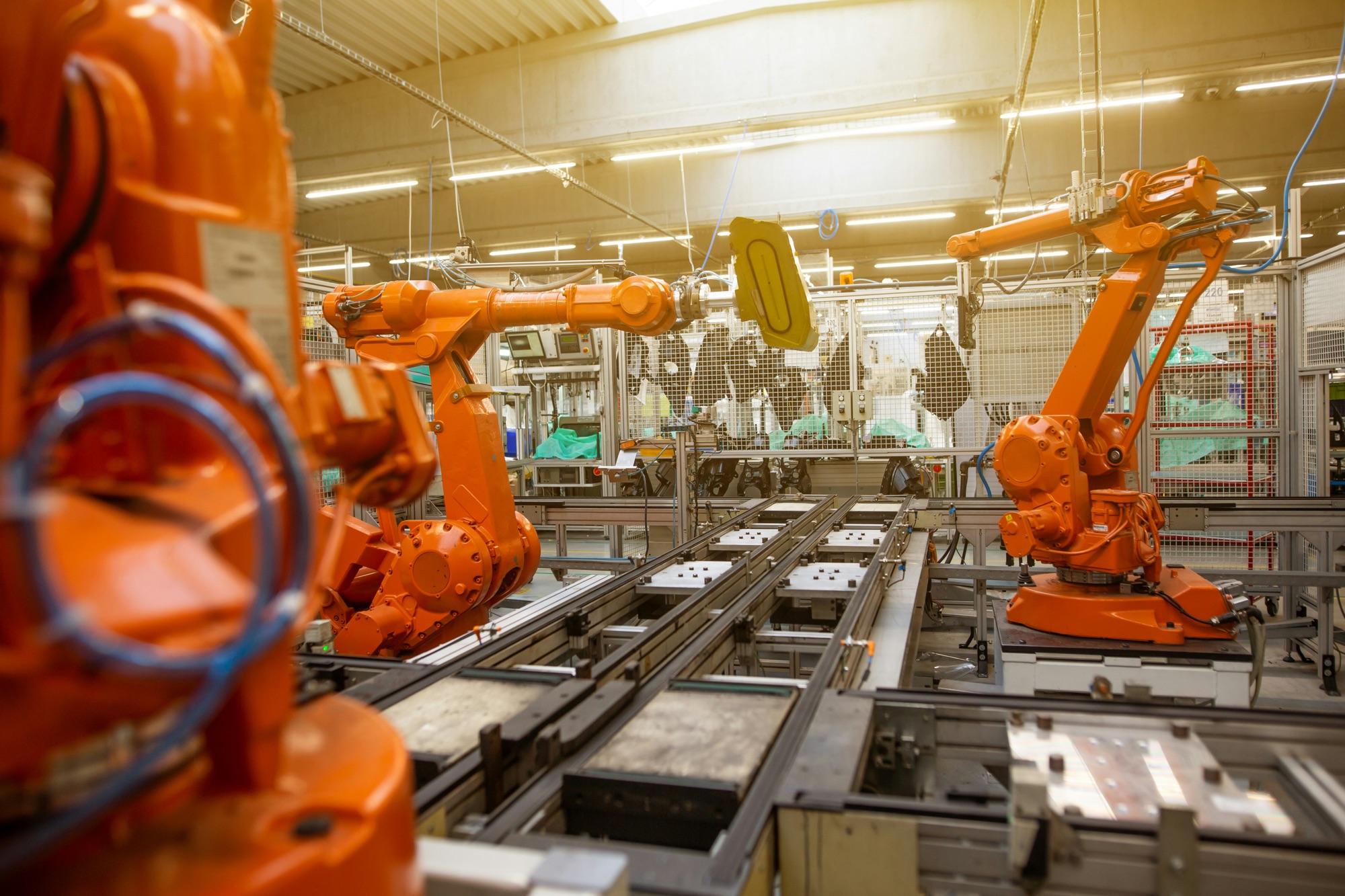
The Real Future of Manufacturing: Why France Looks at Robots While Europe Builds Stability
A strategic analysis of why Europe leads industrial transformation through stability while France focuses on robotics instead of fixing structural weaknesses.
-
·
The European Energy Market: A Continent Full of Ambition – and Deeply Out of Sync
Europe does not lack ambition or capital to deliver its energy transition. What it lacks is synchronisation between politics, industry, infrastructure and skills. This article offers a systemic reading of a continent whose temporalities refuse to align.
-
·
Industrial Decarbonization: We’re Running Out of Time and Illusions
A sharp and grounded perspective on Europe’s industrial decarbonization challenge. This article argues that companies are not experiencing a smooth “energy transition” but a global energy competition where stability, visibility, and affordable power determine industrial survival. Drawing on real factory conditions, it exposes the gap between political narratives and operational reality—and why clarity and courage…
-
·
The Substrate of Failure
European industry keeps refining transformation methods while ignoring the real cause of failure: the organizational substrate. Culture, incentives, and risk tolerance—not methodology—determine whether transformations succeed or fail before they even begin.